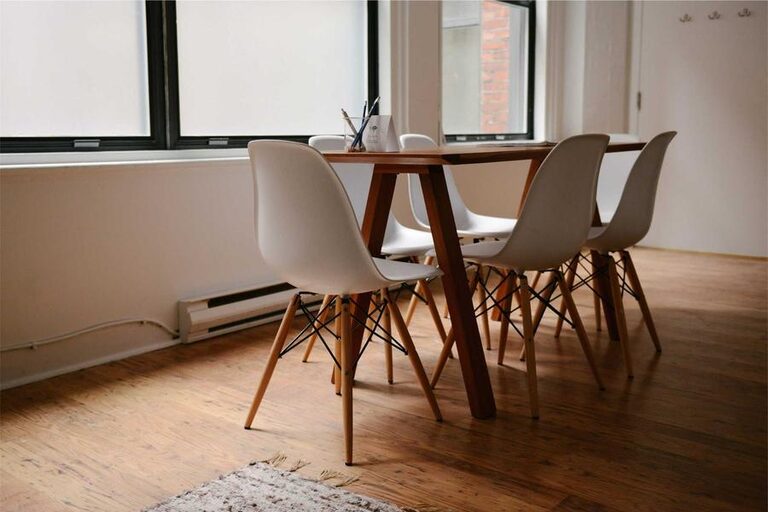
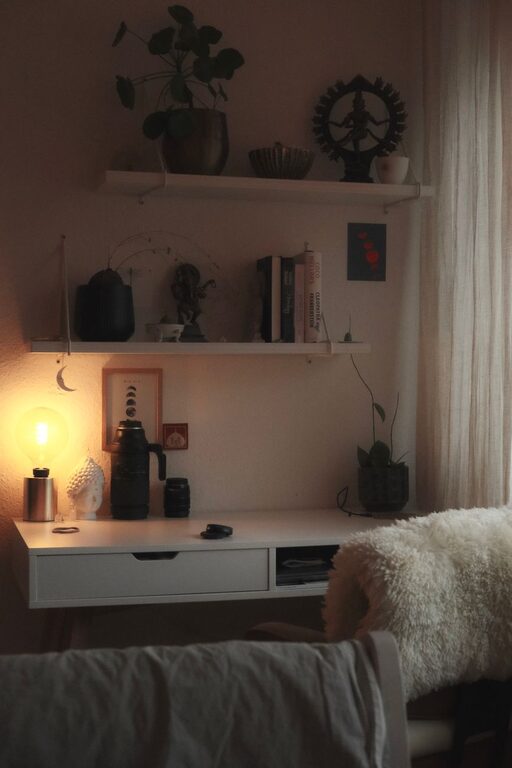
Creating a relaxing home office environment is essential for maintaining focus, reducing stress, and enhancing productivity. Since many people spend hours working from home these days, designing a workspace that promotes calm and comfort can have a significant impact on both your work quality and overall well-being. If your current home office feels cluttered, chaotic, or uninspiring, these tips will help you transform it into a peaceful and inviting place to work.
Choose the Right Location
Where you set up your home office matters a lot. Ideally, pick a quiet corner or separate room, away from distractions like the kitchen or living room TV. Good natural light is also important—natural sunlight can boost mood and energy. If a separate room isn’t an option, use room dividers or curtains to create a visual and physical boundary between your workspace and living areas.
Invest in Comfortable Furniture
Comfort is key when working long hours. Choose an ergonomic office chair that supports your back and encourages good posture. Pair it with a desk at the right height so your wrists and arms can rest comfortably while typing. Adjustable desks that allow switching between sitting and standing positions can also help reduce fatigue and improve circulation.
Declutter and Organize
A cluttered workspace can be distracting and stress-inducing. Keep only the essentials on your desk—like your computer, notebook, and a few pens. Use organizers, shelves, or drawers to store supplies and paperwork out of sight but within easy reach. Regularly setting aside time to tidy up will help maintain a serene environment.
Add Soothing Colors and Décor
Colors influence mood, so choose soothing shades like soft blues, greens, or neutrals for your office walls and decorations. Avoid overly bright or intense colors that might feel jarring or overly stimulating. Incorporate personal touches like framed photos, inspirational quotes, or artwork that helps you feel calm and motivated without cluttering the space.
Enhance Lighting
Proper lighting reduces eye strain and creates a comfortable ambiance. If possible, position your desk near a window to take advantage of daylight. For darker spaces, use adjustable desk lamps with warm-toned bulbs that mimic natural light. Avoid harsh overhead lighting or glare on computer screens. Consider light dimmers or smart bulbs to customize the atmosphere throughout the day.
Incorporate Nature
Bringing elements of nature indoors can improve mood and reduce stress. Small potted plants or succulents are low-maintenance options that add a refreshing touch of greenery. You might also consider a small water feature or natural materials like wood and stone in your décor. Some people find nature sounds or a gentle fan helpful for background noise.
Use Calming Scents
Aromatherapy can subtly improve focus and relaxation. Using a diffuser with essential oils such as lavender, eucalyptus, or peppermint can create a pleasant and calming atmosphere. Just be sure to keep scents light and non-overpowering to avoid irritation.
Minimize Noise Distractions
If your home is noisy, try noise-canceling headphones or soft background music to help drown out distractions. White noise machines or apps can also provide a steady, soothing sound environment. Establishing “quiet hours” with family or housemates during work time can further reduce interruptions.
Establish a Routine and Boundaries
Even the most peaceful office can feel stressful without clear routines. Set regular work hours and take scheduled breaks to stretch, hydrate, or briefly change your environment. Communicate your availability to others in your household to minimize unexpected distractions. Creating these boundaries helps your mind associate your office space with focused work, not domestic chaos.
Keep Technology in Check
Limit screen clutter and keep your desktop organized digitally as well as physically. Close unused tabs or apps and turn off non-essential notifications. Invest in quality peripherals like a reliable keyboard, mouse, and monitor to improve comfort and reduce eye strain.
Personalize Without Overdoing It
Personal touches make your space inviting but avoid overcrowding with too many objects. Select a few meaningful items that motivate or comfort you, such as a favorite mug, a small collection of books, or a stress ball. The goal is to balance professional efficiency with a welcoming vibe.
—
By thoughtfully designing your home office with these tips in mind, you can create a relaxing environment that supports productivity and well-being. Remember, a calm workspace isn’t just about appearance—it’s about making your working hours healthier, happier, and more focused. Take small steps today to build a space where you can thrive.