Creating a relaxing home office environment is essential for maintaining productivity and well-being, especially as more people work remotely. A space that feels calm and organized can reduce stress and help you focus better on your tasks. If you’re looking to make your home office a more peaceful place, here are some useful tips to guide you.
Choose the Right Location
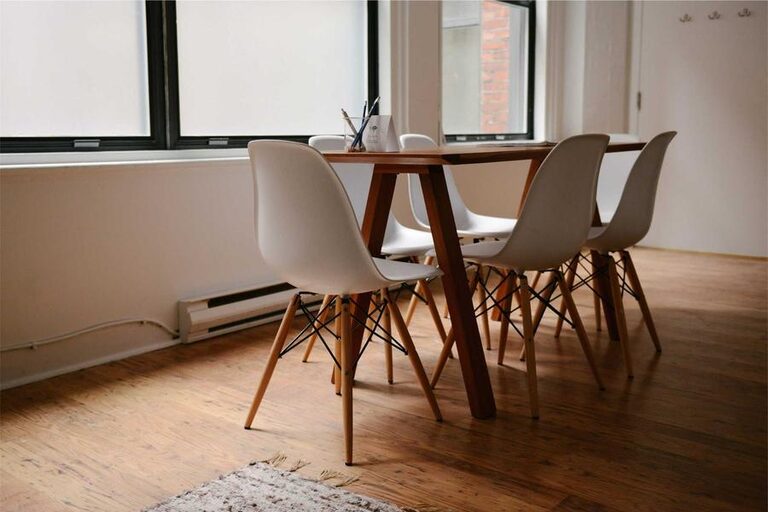
Selecting the right spot for your home office is the first step toward creating a relaxing workspace. Ideally, choose a quiet area away from the busiest parts of your home to minimize distractions. If possible, find a place with good natural light, which can increase your energy and improve mood.
Use Comfortable and Ergonomic Furniture
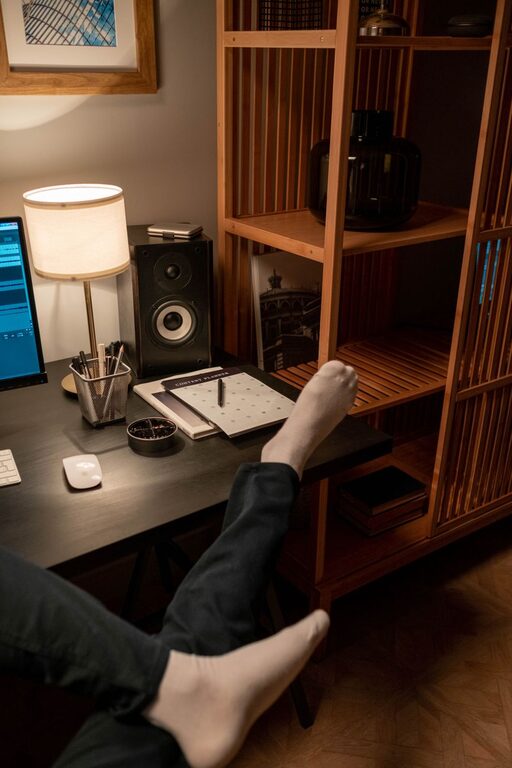
Your comfort directly affects your ability to concentrate. Invest in a good-quality chair that supports your back and encourages proper posture. A desk at the right height helps prevent strain on your shoulders and wrists. If you spend long hours sitting, consider adjustable furniture or accessories like footrests and monitor stands to maintain comfort throughout the day.
Incorporate Soothing Colors
Colors can influence your mood and focus. Soft, neutral tones like light blues, greens, or beige tend to create a calming effect, making your workspace feel more inviting. Avoid overly bright or intense colors that can be distracting or energizing when you need to stay calm.
Organize Your Space
A cluttered workspace can increase stress and reduce productivity. Keep your desk and shelves tidy by organizing papers, stationery, and other items. Use storage solutions like bins, drawers, or shelves to keep everything within easy reach but out of sight. Regularly declutter to maintain a clean, peaceful environment.
Personalize Your Workspace Thoughtfully
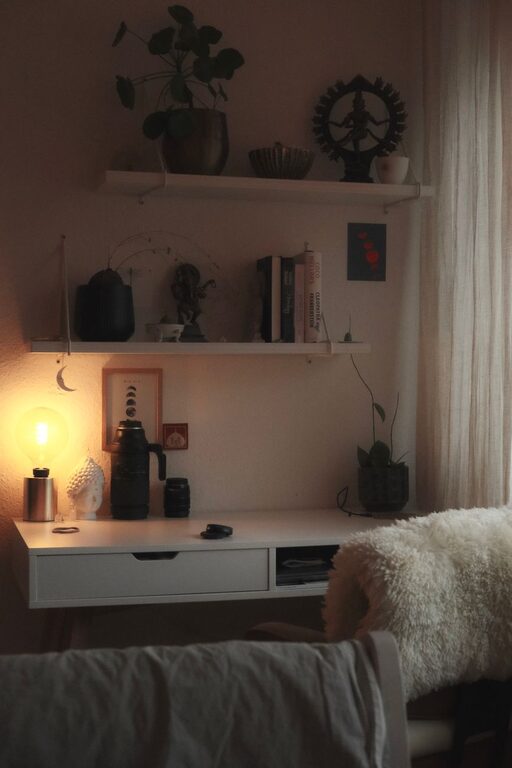
Decorate your office with items that make you feel relaxed, but don’t overcrowd the space. Photos, plants, or artwork can add a personal touch and improve your mood. Living plants, in particular, bring life to the room and can improve air quality, which contributes to a more pleasant atmosphere.
Control Lighting and Glare
Proper lighting plays a big role in creating a relaxing office. Natural light is best, but if that’s limited, use soft, warm artificial lighting rather than harsh overhead lights. Position your computer screen to avoid glare, and consider using adjustable desk lamps or LED light bulbs that mimic natural light.
Incorporate Calming Scents
Aromatherapy can subtly improve your workspace ambiance. Consider using essential oils like lavender, eucalyptus, or chamomile through a diffuser or scented candles. These scents may promote relaxation and help reduce anxiety, making your workday feel less stressful.
Establish a Gentle Sound Environment
If you prefer some background noise, choose sounds that help you relax and focus. Soft instrumental music, nature sounds like rain or birdsong, or white noise machines can mask distractions without being intrusive. Avoid loud or fast-paced music that might increase stress or disrupt concentration.
Create Clear Boundaries
Separating your work area from the rest of your home helps your brain switch between “work mode” and “relaxation mode.” If space is limited, use room dividers, screens, or curtains to visually mark your office area. At the end of the day, tidy your workspace and put away work-related items to signal it’s time to relax.
Maintain a Comfortable Temperature
Temperature can affect how relaxed you feel. Keep your home office at a comfortable temperature to prevent discomfort and maintain focus. Use fans, heaters, or air conditioning as needed, and dress appropriately for the season. Fresh air is also important, so open windows when possible to improve ventilation.
Take Breaks and Move Around
Even the most relaxing environment won’t help if you sit still for hours. Regular breaks not only improve your comfort but also boost creativity and productivity. Stand up, stretch, or take a short walk every hour. Changing posture and moving can reduce stiffness and mental fatigue.
Use Technology Wisely
Technology is vital for most home offices, but it can contribute to stress if not managed well. Keep your devices organized, minimize notifications, and use apps or settings that help you focus. Clutter of cords and devices can be visually distracting, so use cable organizers to keep everything neat.
Final Thoughts
Creating a relaxing home office environment doesn’t require a lot of time or money. Focus on comfort, organization, and atmosphere to design a workspace where you enjoy spending time and can get your best work done. Experiment with different ideas, and tailor the space to what makes you feel most calm and productive. A peaceful home office supports not just your work but your overall well-being.