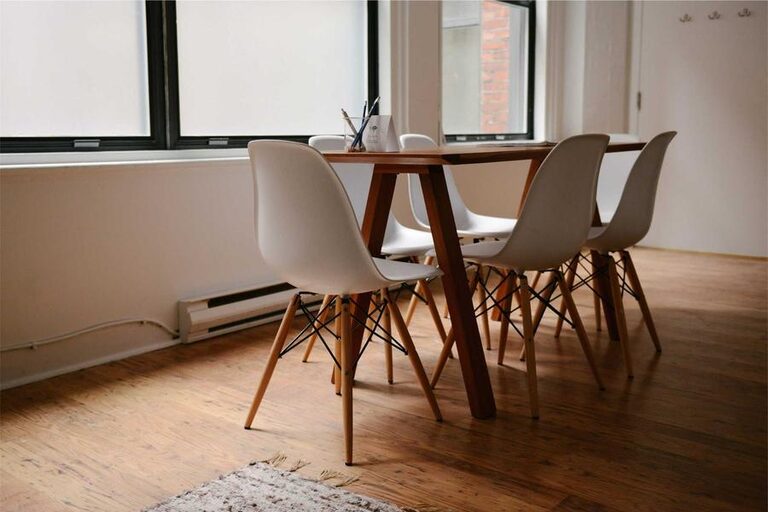

Creating a relaxing home office environment is essential for maintaining focus, reducing stress, and boosting productivity. Whether you work from home full-time or occasionally, having a dedicated space that promotes calmness can make a world of difference. Here are practical tips to help you design and maintain a home office that feels inviting and supports your best work.
Choose the Right Location
The first step is selecting a space in your home where you can work without constant interruptions. Ideally, this space should have:
– Natural light: Position your desk near a window to take advantage of daylight, which can enhance mood and energy.
– Privacy: Choose a quiet corner or room away from high-traffic areas like the kitchen or living room.
– Space: Ensure there is enough room for your desk, chair, and any equipment you need, without feeling cramped.
Invest in Ergonomic Furniture
Comfort plays a vital role in creating a relaxing workspace.
– Desk and Chair: Select an adjustable chair that provides good back support. A desk at the right height helps keep wrists and arms comfortable.
– Monitor Placement: Place your computer screen at eye level, about an arm’s length away, to reduce neck and eye strain.
– Footrest: If your feet don’t comfortably reach the floor, use a footrest to maintain good posture.
Declutter and Organize
A tidy workspace can clear your mind and improve focus.
– Limit Items on Desk: Keep only essentials on your desk to avoid distractions and create a clean look.
– Storage Solutions: Use shelves, drawers, or organizers to store supplies efficiently.
– Cable Management: Use clips or ties to keep cords neat and prevent tangling.
Use Soothing Colors and Decorations
Colors can influence how you feel in your workspace.
– Choose Calm Colors: Soft blues, greens, and neutrals tend to create a relaxing atmosphere.
– Personal Touches: Add a few personal items like photos, art, or plants to make the space inviting without overcrowding it.
– Avoid Overstimulating Patterns: Keep patterns simple and subtle to maintain a peaceful environment.
Incorporate Plants
Indoor plants improve air quality and bring a touch of nature indoors.
– Easy-to-Care Plants: Consider snake plants, pothos, or succulents if you want low-maintenance options.
– Placement: Position plants where they get natural light but won’t be in your way.
Control Lighting
Proper lighting can prevent eye strain and set the mood.
– Layer Your Lighting: Combine natural light with task lighting, such as desk lamps, and ambient lighting for a balanced effect.
– Adjustable Lights: Use dimmable lamps or smart bulbs to tailor brightness throughout the day.
– Avoid Glare: Arrange screens and lights to minimize reflections.
Reduce Noise and Distractions
Minimizing noise is key to maintaining concentration.
– Soundproofing: Use rugs, curtains, or acoustic panels to absorb sound if needed.
– White Noise or Music: Consider low-volume background music or white noise to mask distracting sounds.
– Turn Off Notifications: Silence non-essential notifications during focused work time.
Set Boundaries and Routines
A relaxing home office environment goes beyond the physical space.
– Define Work Hours: Set clear start and end times to maintain work-life balance.
– Take Breaks: Incorporate short breaks to stretch, move, or relax your eyes.
– Establish Rituals: Start your day with a routine such as a cup of tea or tidying your desk to signal the beginning of work.
Maintain Good Air Quality and Temperature
Comfort includes the air you breathe and the temperature of your space.
– Ventilation: Open windows when possible or use air purifiers to keep air fresh.
– Temperature Control: Use fans, heaters, or thermostats to maintain a comfortable temperature.
Use Technology to Your Advantage
Technology can help create a more comfortable workspace.
– Ergonomic Accessories: Consider keyboard trays, wrist rests, or monitor stands.
– Wireless Devices: Reduce clutter with wireless keyboards, mice, and headphones.
– Apps for Focus: Use productivity and meditation apps to help maintain calm and concentration.
Final Thoughts
Creating a relaxing home office environment involves attention to comfort, organization, and atmosphere. By implementing these tips, you can build a workspace that not only looks good but feels good — a place that nurtures productivity and well-being alike. Remember, your home office should reflect your needs and style so that working from home becomes an enjoyable and stress-free experience.