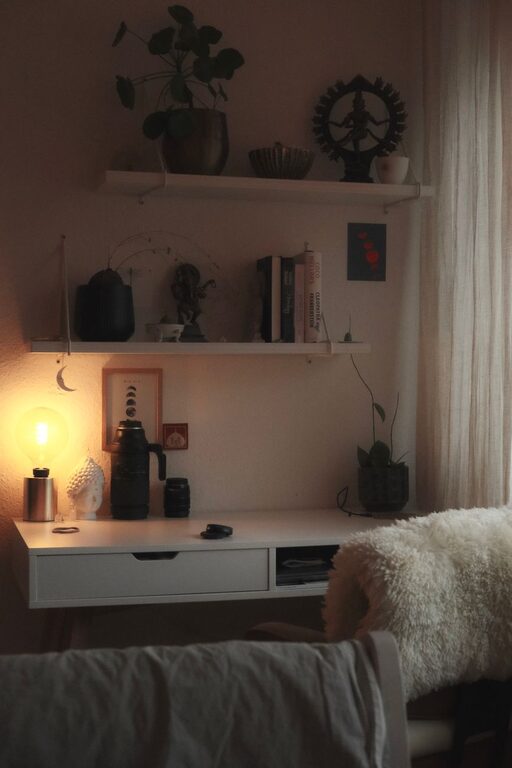

Creating a relaxing home office environment is essential for maintaining focus, enhancing productivity, and reducing stress while working from home. A well-designed space not only supports your daily tasks but also helps you feel more comfortable and motivated. Whether you have a dedicated room or just a small corner, there are plenty of ways to make your home office a peaceful retreat. In this post, we’ll explore practical tips to help you build a workspace that encourages calm and efficiency.
Why a Relaxing Home Office Matters
Spending long hours working from home can sometimes lead to distractions, fatigue, and discomfort. A cluttered or uninspiring workspace can increase stress and negatively affect your mindset. Creating a relaxing environment helps you:
– Stay focused without feeling overwhelmed.
– Improve comfort to reduce physical strain.
– Boost creativity by surrounding yourself with calming elements.
– Maintain work-life balance by creating a clear boundary between your personal and professional spaces.
Now let’s dive into actionable steps for building this ideal space.
Choose the Right Location
Find a Quiet Spot
Selecting a quiet area in your home is key. If possible, pick a room or nook away from heavy foot traffic, kitchen noise, or television. A peaceful space allows for uninterrupted concentration.
Consider Natural Light
Natural light is a big mood booster. Try to place your desk near a window to benefit from daylight. It helps reduce eye strain and makes the room feel more open and inviting.
Minimize Distractions
Position your desk facing away from distractions like doors or busy areas. This will improve your focus and reduce outside noises that can break your concentration.
Invest in Comfortable and Functional Furniture
Ergonomic Chair
A supportive chair is essential to prevent back pain and promote good posture. Look for adjustable features like seat height, lumbar support, and armrests.
Sturdy Desk
Choose a desk that fits your space and work needs. Whether you prefer a traditional desk or a standing desk, make sure it offers enough surface area for your equipment and paperwork.
Organize with Storage Solutions
Clutter can increase stress, so include shelves, drawers, or filing cabinets to keep things tidy. Use organizers to separate office supplies and minimize mess.
Use Calming Colors and Decor
Choose Soothing Colors
Soft colors such as light blues, greens, or neutrals create a calming atmosphere. Avoid overly bright or harsh tones which can feel stimulating rather than relaxing.
Add Personal Touches
Incorporate artwork, photos, or meaningful objects that inspire and comfort you. But keep decorations minimal to avoid visual clutter.
Include Plants
Houseplants bring life and a touch of nature indoors. They help purify the air and reduce stress. Easy-care options like pothos, snake plants, or succulents work great.
Optimize Lighting
Layer Your Lighting
Use a mix of natural light, overhead lighting, and task lighting. A desk lamp with adjustable brightness can reduce eye strain during late work sessions.
Avoid Glare
Position your computer screen to minimize glare from windows or lights. This will help maintain your comfort and prevent headaches.
Keep Technology & Cables Organized
Manage Cables
Tidy cables with clips, sleeves, or under-desk organizers. This will reduce visual clutter and avoid accidental trips or unplugging.
Use Wireless Devices
Consider wireless keyboards, mice, and headphones to keep your desk neat and flexible.
Create a Calming Sound Environment
Use Noise-Canceling Headphones
These help drown out distracting background noise, especially in shared or noisy spaces.
Play Soft Background Sounds
Some people find light instrumental music, white noise, or nature sounds helpful for focus and relaxation.
Establish Boundaries and a Routine
Set Work Hours
Define starting and ending times for your workday. This helps maintain balance and reduces burnout.
Take Breaks
Schedule regular breaks to stretch, hydrate, or step outside. Short pauses recharge your mind and body.
Close the Door (If Possible)
Physically closing the door marks the transition between work time and personal time, promoting a sense of separation.
Maintain Cleanliness and Order
End of Day Tidying
Spend a few minutes at the end of each day to clear your desk and organize your materials. This prepares you mentally for the next day and keeps distractions low.
Declutter Regularly
Periodically, review and remove unnecessary items from your workspace to maintain a fresh environment.
—
Creating a relaxing home office environment doesn’t have to be complicated or expensive. By focusing on comfort, organization, lighting, and personalization, you can design a space that helps you thrive at work while feeling calm and happy. Small changes make a big difference, so start with one or two tips and build your ideal workspace over time. Your mind and body will thank you for it!